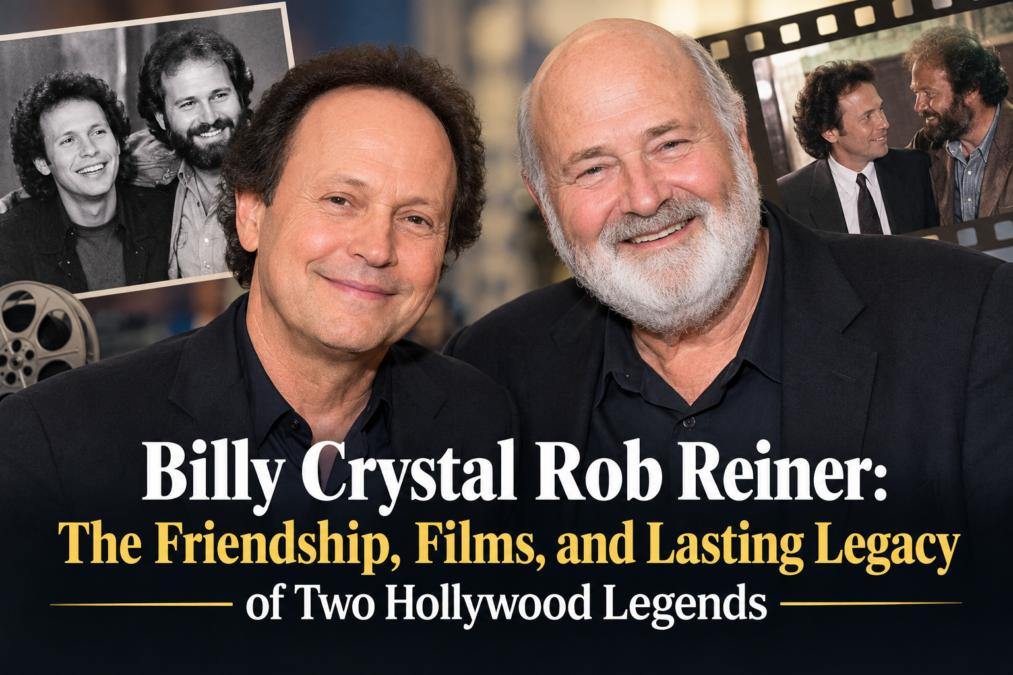

Billy Crystal Rob Reiner and Rob Reinerabout much more than movies. It is a story of friendship, creative trust, shared humor, and the kind of professional partnership that grows into something deeply personal. Both men made important contributions to American entertainment, but their connection became especially meaningful because they understood each other as performers, storytellers, and people. Their work together helped create some of the most memorable moments in modern film, particularly the romantic comedy When Harry Met Sally…, which continues to attract new audiences decades after its release.
The relationship between Billy Crystal and Rob Reiner began on television and eventually developed into a friendship that lasted for decades. Crystal became known for his sharp comic timing, expressive personality, and ability to make ordinary conversations entertaining. Reiner developed from a successful television actor into a respected film director whose projects ranged from comedy and fantasy to romance and courtroom drama. Their different strengths complemented each other, allowing them to collaborate in ways that felt natural rather than forced. Understanding Billy Crystal Rob Reiner as a creative partnership means looking beyond their famous films and examining how trust, experience, and genuine affection helped shape their careers.
How Billy Crystal and Rob Reiner First Met
Billy Crystal and Rob Reiner first met in the mid-seventies when they worked together on the influential television sitcom All in the Family. Crystal appeared as Al Bender, a friend of Reiner’s character, Michael Stivic, who was widely known as Meathead. Although the actors were playing established friends on screen, they had not developed that relationship in real life before the production. Their first professional encounter became the beginning of a connection that would eventually extend across television, film, and their personal lives.
Working on a television comedy requires more than learning lines and delivering jokes. Actors must understand the rhythm of a scene, recognize how other performers communicate, and respond naturally when something unexpected happens. Crystal and Reiner discovered that their personalities worked well together. Their shared interest in comedy gave them a common language, while their different approaches to performance created opportunities for collaboration. The chemistry that viewers saw on television was not simply the result of acting ability; it also reflected an ease that the two performers found in one another.
Crystal later recalled that Reiner impressed him with his intelligence, friendliness, and humor. He noticed that Reiner understood scripts and could help make scenes more effective while still being entertaining. These qualities mattered because they revealed a performer who was interested in the entire creative process rather than simply his own part. Reiner, meanwhile, was working at a time when television comedy depended heavily on strong writing and believable character relationships. Crystal’s quick wit and natural timing made him a valuable scene partner.
Their initial working relationship soon became a personal friendship. In recollections of their early connection, Crystal described how the experience of playing friends developed into an actual friendship outside the studio. They continued spending time together after the television work ended, especially as Crystal’s career expanded in Los Angeles. What began as a professional arrangement eventually became one of the most enduring relationships in both men’s lives.
Billy Crystal’s Rise as a Comedian and Actor
Billy Crystal built his career through a combination of stand-up comedy, television acting, writing, and live performance. Born in New York, he developed a style that combined observational humor with impressions, expressive facial reactions, and an ability to imitate familiar personalities. Rather than relying exclusively on loud punchlines, Crystal often found comedy in everyday situations. His performances made ordinary frustrations, awkward conversations, and family experiences feel recognizable to audiences.
His television career gained significant momentum with the sitcom Soap, where he played Jodie Dallas. The character was notable for its place in the history of American television, particularly because the series addressed subjects that were unusual for mainstream network comedy at the time. Crystal’s work demonstrated that he could handle more than conventional joke-driven material. He could portray a character with emotional depth while still maintaining the comic instincts that made him popular.
Crystal later became associated with Saturday Night Live, where his impressions and original characters introduced him to a broader audience. His work on the program demonstrated his versatility and ability to adapt quickly to changing material. Live sketch comedy is demanding because performers must respond to timing, audience reactions, and the unpredictability of a broadcast. Crystal’s experience helped him develop the confidence and precision that would become essential to his later film performances.
His success in stand-up and television created a foundation for a substantial film career. Crystal appeared in comedies, family films, dramas, and animated productions, demonstrating that his appeal was not limited to a single genre. He also became a familiar presence at major entertainment events through his work as an awards-show host. His combination of warmth, intelligence, and playful self-awareness made him especially effective at connecting with large audiences.
These qualities helped make Crystal an appealing collaborator for Reiner. A director working on character-driven comedy needs actors who can make dialogue sound spontaneous without losing its structure. Crystal could deliver carefully written lines while making them feel as though they had emerged naturally during a conversation. His instincts for timing and character became especially valuable when Reiner eventually invited him to lead one of his most celebrated films.
Rob Reiner’s Journey From Television Actor to Film Director
Rob Reiner also began his career in television, where he became widely recognized for playing Michael Stivic on All in the Family. The sitcom became famous for addressing cultural disagreements, family tensions, political arguments, and social change through comedy. Reiner’s character frequently challenged the views of Archie Bunker, creating a contrast that gave the show much of its dramatic and comedic energy. His performance established him as a recognizable television personality while giving him experience with scripts that combined humor and serious ideas.
Reiner grew up in an entertainment family. His father, Carl Reiner, was a celebrated comedian, actor, writer, and filmmaker. Being raised around professional performers and writers gave Rob early exposure to the collaborative nature of entertainment. However, his later success as a director came from developing his own creative approach rather than simply following a family tradition. He learned how to guide actors, identify effective storytelling choices, and recognize the difference between an entertaining scene and a meaningful one.
His transition into directing began with This Is Spinal Tap, a comedy about a fictional heavy metal band. The film used a mockumentary style, presenting absurd situations as though they were part of a serious documentary. Its improvisational approach allowed performers to build jokes through reactions, pauses, and seemingly minor details. The movie became influential because it understood that comedy can be most effective when characters take ridiculous situations completely seriously.
Reiner followed that achievement with films that explored different genres. The Sure Thing presented a youthful romantic comedy, while Stand by Me explored childhood friendship and the difficult transition toward adulthood. The Princess Bride combined fantasy, romance, adventure, and comedy. When Harry Met Sally… examined relationships and emotional intimacy, while Misery delivered a tense psychological thriller. A Few Good Men brought courtroom drama and moral conflict to the screen.
This range became a defining characteristic of Reiner’s directing career. He was comfortable working with broad comedy, quiet emotional scenes, suspense, and dramatic arguments. The Directors Guild of America recognizes several of his films among the works for which he received directing nominations, including Stand by Me, When Harry Met Sally…, and A Few Good Men. His filmography demonstrates a filmmaker who could change genres without abandoning his interest in human behavior and compelling dialogue.
The Television Connection That Became a Lifelong Friendship
The connection between Billy Crystal and Rob Reiner developed because their professional relationship allowed each man to appreciate the other’s personality. Crystal admired Reiner’s intelligence and ability to make creative decisions. Reiner valued Crystal’s comic instincts and his capacity to understand a character beyond the written lines. These qualities helped establish a foundation of trust that would prove important when their work together became more ambitious.
Friendship can make professional collaboration easier, but it can also create pressure. When people know each other well, they may feel more comfortable offering suggestions, yet they may also worry about disappointing someone they care about. Reiner and Crystal managed this balance by respecting each other’s abilities. They understood that a film needed honest creative discussion rather than automatic agreement. Their relationship allowed them to exchange ideas while keeping the needs of the story at the center.
Their connection also developed outside the workplace. They spent time together, attended events, and remained part of each other’s lives through changing careers and personal milestones. Crystal has described Reiner as one of his dearest friends. That description reflects a relationship that extended well beyond occasional professional meetings or promotional appearances. Their friendship became a consistent presence over decades of change in Hollywood.
A particularly meaningful aspect of their relationship was the way humor connected them. Both men understood that comedy depends on careful observation. A funny moment often emerges when a person says something ordinary in an unexpected way, misunderstands a situation, or reacts honestly to an uncomfortable truth. Because Crystal and Reiner shared this understanding, they could recognize possibilities in conversations and scenes that might not have been obvious to other collaborators.
Their partnership also reflected a generous attitude toward creative work. Reiner was known for listening to actors and allowing them to contribute ideas, while Crystal brought the experience of a performer who had spent years studying how people speak and behave. Together, they demonstrated that strong filmmaking does not require a rigid division between the director’s vision and the actor’s instincts. The best results can emerge when both work toward the same goal.
Billy Crystal’s Appearance in This Is Spinal Tap
One of the earliest film collaborations between Crystal and Reiner occurred in This Is Spinal Tap. Released in the nineteen-eighties, the movie followed a fictional British rock band as it struggled through performances, interviews, disagreements, and increasingly ridiculous professional problems. Reiner directed the film and also appeared as documentary filmmaker Marty DiBergi. The production helped establish a distinctive form of comedy that influenced later mockumentaries and television comedies.
Crystal appeared briefly as Morty the Mime. His role was small, but the appearance is an interesting part of their shared history because it preceded his starring role in When Harry Met Sally…. At this stage, Crystal was already an experienced comedian and television performer, while Reiner was establishing his reputation as a film director. Their collaboration showed that Reiner was comfortable including familiar performers in projects where a brief appearance could contribute to the overall comedic atmosphere.
The humor of This Is Spinal Tap depended on understatement and improvisation. Instead of treating the fictional band as a collection of obvious jokes, the filmmakers presented its members as musicians who sincerely believed in their own importance. The comedy emerged from the contrast between their confidence and the absurdity of their circumstances. This technique required performers to maintain believable personalities even when the situations became increasingly ridiculous.
That approach suited the kind of comedy Crystal and Reiner understood. Crystal’s experience with impressions and character work helped him appreciate the difference between performing a joke and inhabiting a character. Reiner’s direction gave performers room to develop natural interactions while maintaining the film’s documentary illusion. Although Crystal’s part was brief, the production represented an early step in a creative relationship that would become much more prominent.
The film’s continuing reputation also illustrates the lasting value of their shared comic sensibility. This Is Spinal Tap is remembered not simply for individual jokes but for the way it observes insecurity, ambition, and the sometimes ridiculous behavior of people working in the entertainment industry. These themes appear in different forms throughout both men’s careers.
The Princess Bride and a Memorable Supporting Performance
Crystal and Reiner collaborated again on The Princess Bride, the fantasy adventure released in the nineteen-eighties. The film combines fairy-tale romance with sword fighting, comedy, memorable characters, and a story about the power of love. Reiner directed the movie from a screenplay adapted by William Goldman from his own novel. Its unusual mixture of sincere emotion and playful humor helped it become a lasting favorite.
Crystal played Miracle Max, a quirky and talkative character who assists the story’s heroes. The role allowed him to demonstrate his talent for transforming a supporting character into a memorable presence. Miracle Max is eccentric, impatient, funny, and unexpectedly helpful. Crystal used his voice, expressions, and comic timing to give the character a distinct personality without taking attention away from the central story.
The role also benefited from the creative freedom that can emerge when a director and actor already understand one another. Crystal knew Reiner’s comic instincts, and Reiner understood how Crystal could build humor through rhythm, exaggeration, and reaction. Their familiarity created a working environment in which a relatively small part could become one of the film’s most recognizable moments.
The Princess Bride is an example of Reiner’s ability to combine different tones without making the film feel inconsistent. Its romance is sincere, its adventures are exciting, and its comedy often pokes fun at the conventions of fairy tales. The film never loses sight of the emotional relationships that make the story meaningful. Crystal’s appearance contributes to this balance by offering comedy within a world that remains emotionally engaging.
The movie’s popularity has endured because it works for audiences with different tastes. Viewers can enjoy its adventure, romantic elements, memorable dialogue, and playful attitude toward familiar storytelling traditions. Crystal’s performance remains a small but significant part of that appeal, while Reiner’s direction demonstrates his talent for creating entertaining stories with lasting emotional resonance.
When Harry Met Sally… Changed Their Professional Relationship
The most famous collaboration between Billy Crystal and Rob Reiner was When Harry Met Sally…, released in the late nineteen-eighties. Crystal played Harry Burns, a thoughtful but often cynical man who develops a complicated friendship with Sally Albright, portrayed by Meg Ryan. The film follows their relationship over time as they question whether men and women can maintain a purely platonic friendship without romantic feelings becoming involved.
The screenplay was written by Nora Ephron, whose sharp dialogue and understanding of relationships gave the story its distinctive personality. Reiner directed the film, bringing together the writing, performances, and visual style in a way that made everyday conversations feel important. The result was a romantic comedy that explored attraction, loneliness, friendship, uncertainty, and the difficulty of understanding one’s own emotions.
Crystal was not initially the only actor considered for Harry. Reiner explored other possibilities, including Albert Brooks, Tom Hanks, and Michael Keaton, before deciding that Crystal was right for the role. The decision was particularly meaningful because the director was asking a close friend to lead a film that carried personal and professional significance. A disappointing performance could have complicated both the production and their friendship, but Reiner ultimately trusted Crystal’s instincts.
Crystal brought considerable creative input to Harry’s character. His experience as a comedian helped him identify opportunities for humor in the dialogue, while his understanding of relationships allowed him to portray the character’s insecurities without making him seem entirely unlikable. Harry can be defensive, overly analytical, and emotionally guarded, yet Crystal gives him enough warmth and vulnerability for audiences to understand why Sally might care about him.
The film also helped establish Crystal as a leading romantic-comedy actor. Before this project, audiences already knew him as a comedian and television performer, but Harry Burns demonstrated that he could sustain a feature film through a combination of wit and emotional complexity. His performance made the character feel like a recognizable person rather than a collection of jokes.
For Reiner, the film represented a major achievement in directing. He created a movie in which conversations carry the story forward without requiring constant dramatic events. The characters meet, disagree, joke, and reveal parts of themselves gradually. Their relationship becomes compelling because the audience sees how their feelings change over time.
Why Billy Crystal Was Right for Harry Burns
Harry Burns is an unusual romantic-comedy protagonist because he often believes he understands relationships better than the people around him. He analyzes attraction, anticipates disappointment, and attempts to protect himself through sarcasm. Yet his confidence frequently hides uncertainty. Crystal understood that the character’s humor needed to come from these contradictions rather than from a desire to make every scene funny.
A less experienced performer might have played Harry as simply cynical or arrogant. Crystal instead gave him a combination of confidence, vulnerability, and emotional awkwardness. He could make Harry’s opinions entertaining while allowing the audience to recognize the insecurity beneath them. This balance is important because romantic comedies depend on characters who can frustrate viewers while remaining sympathetic enough to support an emotional ending.
Crystal also understood conversational rhythm. Harry often speaks quickly, interrupts, or uses humor to avoid discussing something uncomfortable. These behaviors make the character feel spontaneous. At the same time, Crystal knew when to slow down and allow a scene to become quieter. The contrast between rapid dialogue and moments of sincerity makes Harry’s emotional development more convincing.
The friendship between Crystal and Reiner helped support this performance, but it did not eliminate the need for careful acting. The director still had to shape scenes, manage pacing, and ensure that the film’s emotional progression remained clear. Crystal had to transform written dialogue into a believable character whose behavior could change across years of fictional time. Their relationship provided a foundation, while their professional skills turned that foundation into a successful film.
The result remains one of Crystal’s defining screen performances. Harry is funny, imperfect, sometimes frustrating, and ultimately capable of emotional growth. Audiences continue to recognize themselves in his attempts to make sense of relationships, which is one reason the character has remained relevant long after the film’s original release.
The Creative Story Behind the Famous Diner Scene
One of the most recognizable moments in When Harry Met Sally… takes place in a New York deli. During the scene, Sally demonstrates that she can convincingly pretend to experience an orgasm while dining with Harry. Other customers react with surprise, and an older woman sitting nearby delivers the famous request to have what Sally is having. The moment became one of the best-known scenes in romantic-comedy history.
The scene succeeds because it combines several different kinds of humor. Harry’s disbelief creates one layer of comedy, Sally’s confidence creates another, and the reactions of the surrounding diners provide a final contrast. The audience understands the joke before the characters have finished responding to it, which makes the scene feel both carefully structured and spontaneous.
Reiner’s mother, Estelle Reiner, played the woman who delivers the memorable line. Her brief appearance gave the moment an additional connection to the director’s personal life. The casting was effective because the character’s calm response contrasts with the outrageous behavior happening nearby. Rather than exaggerating her reaction, the performance treats the situation as an ordinary dining experience that has produced an unusual result.
Crystal and Reiner later recalled the audience reaction during an early screening. The laughter was powerful enough to become a shared memory for both men. Crystal described the excitement of experiencing the moment with Reiner as the audience responded. Their reaction reflected the particular pleasure of watching a carefully developed joke connect with a crowd in a way that even experienced performers cannot entirely predict.
The scene also illustrates how a film can turn an ordinary location into a cultural landmark. A deli becomes part of the movie’s identity because the writing, acting, direction, and timing work together so effectively. Its influence has continued through references in television, advertising, popular conversation, and discussions about memorable film comedy.
How Nora Ephron’s Writing Strengthened Their Partnership
Although discussions of Billy Crystal Rob Reiner often focus on their friendship, Nora Ephron’s contribution to When Harry Met Sally… is essential to understanding the film’s success. Ephron wrote the screenplay, creating characters whose conversations combine humor, disagreement, observation, and emotional honesty. Her writing gave Crystal and Ryan dialogue that sounded distinctive while allowing the audience to follow the development of their relationship.
The screenplay does not depend on a single romantic misunderstanding or a simple series of comic situations. Instead, it examines how two people can become increasingly important to one another while continuing to disagree about what their relationship means. Harry and Sally meet, separate, reconnect, and gradually become part of each other’s lives. Their conversations reveal the ways people use opinions and jokes to protect themselves from vulnerability.
Reiner’s direction gave this writing a visual and emotional structure. The film’s passage of time allows the characters to change without making those changes feel sudden. Viewers see how experiences affect their attitudes toward romance and friendship. The director also creates space for quieter scenes in which a pause or a look can communicate more than a lengthy explanation.
Crystal’s performance brings another dimension to Ephron’s dialogue. As an experienced comedian, he could recognize how a line’s meaning changes depending on emphasis and timing. He could also contribute ideas that made Harry feel more natural. His work helped turn the written character into a person whose speech patterns and habits feel consistent throughout the story.
The collaboration is a useful reminder that successful films are rarely the achievement of a single individual. The screenwriter establishes the story and characters, the director shapes the overall presentation, and the actors bring those characters to life. When these contributions support one another, the result can feel effortless even though it requires extensive creative work.
How Their Friendship Influenced the Film’s Emotional Tone
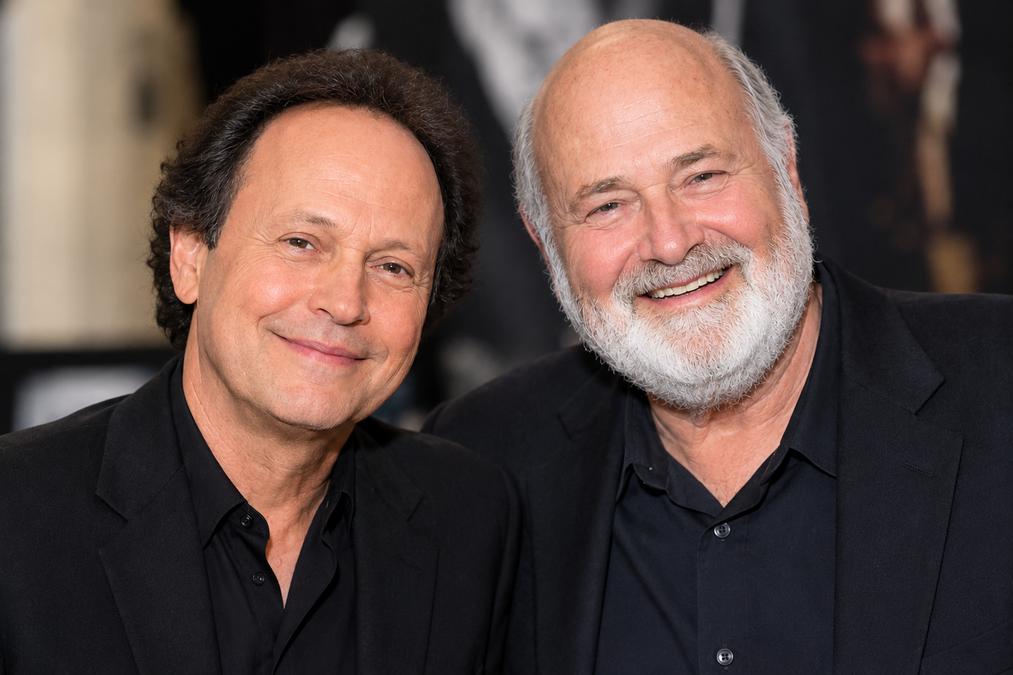
The friendship between Crystal and Reiner provided a personal foundation for a film about the complicated relationship between two people. Although Harry and Sally are fictional characters, the performers and director understood the importance of trust, familiarity, and emotional honesty. Their working relationship helped them explore the story without treating every disagreement as a problem to be avoided.
A close friendship can help creative partners challenge one another. When people know that a relationship is strong, they may feel more comfortable suggesting changes or admitting that an idea is not working. This openness can improve a production because it encourages discussion rather than forcing everyone to accept the first version of a scene. Crystal and Reiner’s familiarity made such exchanges possible.
Their relationship also demonstrates why personal connection does not replace professional discipline. A director must consider pacing, continuity, character development, and the needs of the entire production. An actor must serve the story rather than simply deliver a personal favorite joke. Friendship can make these responsibilities easier to navigate, but it cannot guarantee a successful result on its own.
In When Harry Met Sally…, the balance between comedy and emotional truth is especially important. The film asks viewers to laugh at the characters while also caring about their feelings. Crystal and Reiner understood that the jokes would be more effective if the audience believed the characters were real people. Their collaboration supported that goal by giving the film an intimate and conversational quality.
The film’s lasting appeal suggests that viewers respond to more than clever dialogue. They recognize the emotional uncertainty that comes with friendship, attraction, and growing older. The movie’s humor works because it is connected to genuine feelings, and its romance works because the characters are imperfect.
Rob Reiner’s Directing Style and Billy Crystal’s Comic Instincts
Rob Reiner’s directing style often emphasized the importance of clear storytelling and convincing performances. Even when his films contained extraordinary situations, the characters usually responded in ways that viewers could understand. His fantasy adventures had emotional foundations, his comedies depended on believable personalities, and his dramas explored conflicts that felt meaningful beyond their immediate circumstances.
Crystal’s comic instincts complemented this approach. He could identify the humor in a line without making the character appear to be performing for the audience. This is a valuable skill in film comedy because the funniest moments frequently occur when a character believes a situation is serious. The audience notices the contradiction, while the character remains committed to the moment.
Their shared experience also encouraged an understanding of timing. A joke may lose its effect if a performer speaks too quickly or a director cuts away too early. Conversely, a well-placed pause can make a simple line much funnier. Reiner’s direction and Crystal’s performance worked together to establish rhythms that supported both comedy and emotion.
The partnership was not limited to one genre. Their work included a mockumentary, a fantasy adventure, and a romantic comedy. Each project required different choices about performance, pacing, and tone. Crystal’s brief roles in the earlier films allowed him to contribute to Reiner’s creative world before taking on a central character in a much more emotionally demanding production.
This range shows that a productive creative partnership can remain consistent even when the material changes. The people involved may adjust their methods, but the underlying trust and willingness to listen can continue to guide their work.
The Importance of Friendship in Hollywood
Hollywood is often described as a competitive industry where professional relationships depend on success, opportunity, and changing circumstances. Actors and directors may work together on one project and then move in different directions. Against that background, the long friendship between Crystal and Reiner stands out because it survived major career changes and extended well beyond their most famous collaboration.
Their connection began when both men were working in television. As their careers developed, they entered different creative environments and took on new responsibilities. Crystal expanded his work as a comedian, actor, writer, and host. Reiner became an established director whose projects attracted major performers and explored a wide range of subjects. Their friendship continued despite these changing professional identities.
Long-lasting relationships often depend on the ability to recognize the person behind the public image. Crystal and Reiner knew each other before their partnership became closely associated with one of the most famous romantic comedies of its era. That early familiarity meant their relationship was not defined exclusively by awards, box-office results, or critical recognition.
Their connection also provided a source of continuity. Entertainment careers can involve uncertain schedules, changing projects, and public attention that shifts rapidly. A trusted friend can offer perspective and companionship that has little to do with professional achievement. Although the details of their private conversations were not always public, Crystal’s later reflections make clear that Reiner occupied an important place in his life.
Their story therefore resonates with people who value friendship as much as professional accomplishment. It shows that collaboration can produce successful work while also creating relationships that remain meaningful long after a production ends.
Billy Crystal and Rob Reiner Beyond the Film Set
The relationship between Crystal and Reiner continued long after their early film collaborations. They appeared together at entertainment events, supported one another’s projects, and maintained their connection as their careers evolved. Their friendship was not limited to the period when they were actively working on a particular film, which helped distinguish it from many professional partnerships.
Reiner’s career continued through comedy, drama, political filmmaking, and television projects. Crystal remained active in stand-up, acting, writing, and live performance. Their separate careers gave them new experiences to discuss and new perspectives to bring to their friendship. They could share the excitement of professional success while also understanding the pressures associated with working in a highly visible industry.
Their connection to other members of the entertainment community also helped keep their work connected to a wider creative network. Reiner worked with actors, writers, and filmmakers across several generations. Crystal’s work in television, film, comedy, and awards hosting placed him in contact with performers from many different backgrounds. Both men understood that creative communities grow through collaboration, encouragement, and shared experience.
One of the most revealing aspects of their relationship is that their most famous film collaboration was not the only reason they remained close. Their friendship continued through ordinary life, personal losses, family experiences, and the changing demands of their professions. This broader context helps explain why Crystal’s later public comments about Reiner carried such emotional weight.
Their story offers an important distinction between professional chemistry and personal loyalty. Professional chemistry can help create an excellent film, but personal loyalty develops over time through repeated experiences and mutual respect. In the case of Crystal and Reiner, both forms of connection were present.
Rob Reiner’s Wider Film Legacy
Rob Reiner’s legacy extends well beyond his collaborations with Crystal. His films helped shape several genres and demonstrated how a director could move between very different storytelling styles. Stand by Me explored friendship, childhood, and the experience of confronting mortality. The Princess Bride offered a playful but sincere approach to fantasy and romance. Misery transformed a contained story into a tense psychological thriller, while A Few Good Men explored authority, responsibility, and the limits of obedience.
These films differ in subject matter, but they share an interest in characters facing situations that reveal something important about themselves. Reiner often allowed humor to emerge naturally from personality rather than forcing every scene to deliver a punchline. Even in serious dramas, he understood that the way people speak, hesitate, argue, or misunderstand one another can be central to the story.
His work also showed that commercial entertainment can address meaningful themes without becoming inaccessible. Audiences could enjoy a film’s suspense, romance, or comedy while also considering questions about friendship, family, justice, and personal responsibility. This balance helped his films reach audiences with different tastes and expectations.
Reiner’s career as a director followed his earlier success as an actor, demonstrating that talent can develop in new directions. He was not simply a television performer who moved behind the camera. He became a filmmaker with a recognizable ability to guide performances and choose stories that combined entertainment with emotional significance.
For Crystal, having worked with Reiner across different stages of his directing career provided a close view of this evolution. Their early collaborations introduced Crystal to Reiner’s creative approach, while When Harry Met Sally… placed that approach at the center of a major film. Their friendship therefore became intertwined with an important period in American filmmaking.
Billy Crystal’s Legacy in Comedy and Film
Billy Crystal’s career is equally significant, although his strengths developed through a different combination of disciplines. His work in stand-up comedy established his ability to turn observation into entertainment. Television gave him opportunities to explore characters, while film allowed him to combine humor with emotional development. His work as a writer and live performer further demonstrated his understanding of storytelling.
Crystal became particularly successful at presenting characters who are funny without being emotionally distant. Harry Burns is a strong example, but the same general ability appears throughout his career. He can make a character’s insecurity entertaining while still allowing the audience to understand why that insecurity exists. This balance helps his performances remain appealing across different kinds of stories.
His work hosting the Academy Awards also strengthened his reputation as a performer who could connect with a large audience. Hosting a major live event requires timing, improvisation, and an ability to respond to the atmosphere of the room. Crystal’s experience in comedy made him effective in that environment, and his appearances became an important part of his public identity.
Crystal has also demonstrated a willingness to explore more personal material. His stage work and writing have drawn on family memories, aging, relationships, and the passage of time. This interest in personal storytelling creates a connection with the emotional themes found in When Harry Met Sally…. Both his comedy and his dramatic performances recognize that humor and vulnerability often exist together.
His friendship with Reiner added another dimension to this legacy. Their collaborations allowed Crystal to work with a director who understood his abilities and could create environments in which those abilities were fully used. The resulting films remain an important part of the story of his career.
Why When Harry Met Sally… Continues to Attract Audiences
A film can become a classic for many reasons, including memorable performances, effective writing, cultural influence, and the ability to speak to people across generations. When Harry Met Sally… has maintained its popularity because its central questions remain recognizable. People continue to wonder whether friendship can become romance, how long-term relationships develop, and why emotional honesty can be difficult even when two people know each other well.
The film’s dialogue is a major part of its appeal. Harry and Sally disagree about ordinary matters, discuss relationships, and reveal their personalities through conversations that feel specific rather than generic. Their arguments are entertaining because each character has a point of view, and neither exists merely to support the other’s development. The audience gets to know both of them gradually.
The structure also gives the relationship room to evolve. Instead of making the characters fall in love immediately, the story allows their friendship to develop through shared experiences and changes in their lives. Their emotional connection grows in stages, making the final movement toward romance feel more satisfying.
Crystal and Ryan’s performances help maintain this progression. Their characters are different enough to create conflict, yet they share a sense of humor and curiosity that makes their relationship believable. Reiner’s direction ensures that the story remains balanced between comedy and sincerity, while Ephron’s screenplay provides the observations that make the characters distinctive.
The film’s influence can be seen in later romantic comedies that use conversation and friendship as the foundation for romance. It helped establish that a relationship story could be driven by personality and dialogue rather than relying exclusively on elaborate misunderstandings or dramatic coincidences. Its continuing popularity reflects the strength of its central ideas.
The Cultural Impact of Their Collaboration
The influence of Billy Crystal and Rob Reiner’s partnership extends into discussions about screenwriting, directing, acting, and the development of modern romantic comedy. Their most famous collaboration demonstrated that a film about ordinary people and everyday conversations could become a major cultural success. It also showed that comedy could explore uncertainty and emotional vulnerability without losing its entertainment value.
Their earlier collaborations contributed to a different but equally important part of film history. This Is Spinal Tap helped popularize a mockumentary approach that later influenced filmmakers and television creators. The Princess Bride became an example of fantasy storytelling that could combine sincere emotion with self-aware humor. These projects reveal the range of creative possibilities that emerged from Reiner’s directing and Crystal’s performances.
Their work also illustrates how casting decisions can influence the character of a film. Reiner’s decision to cast Crystal as Harry Burns was important because the actor brought a particular comic rhythm and emotional sensibility to the role. Another performer might have delivered the same lines differently, producing a character with a different balance of confidence, sarcasm, and vulnerability.
Creative partnerships often become influential because they allow people to use their strengths in ways that would be difficult alone. A director may recognize an actor’s potential, while an actor may contribute ideas that help a scene reach its full effect. The strongest collaborations create a setting where these contributions support one another rather than compete for attention.
In that sense, the story of Billy Crystal Rob Reiner is not only a story about two famous personalities. It is an example of how mutual respect and shared creative interests can produce work that continues to matter to audiences long after its original release.
Personal Loss and Billy Crystal’s Public Reflections
The relationship between Crystal and Reiner took on a painful new significance after the deaths of Rob Reiner and his wife, Michele Singer Reiner, in December two thousand twenty-five. The news shocked the entertainment community and people who had followed Reiner’s films for decades. For Crystal, the loss was especially devastating because the men had shared a friendship that began approximately half a century earlier.
In subsequent interviews, Crystal spoke about the difficulty of processing what had happened. Reporting by AARP in October two thousand twenty-six described Crystal’s reflections on the loss and the way he had been dealing with grief. He recalled that he and Reiner had spent time together at a holiday gathering shortly before the tragedy, making the news particularly difficult to comprehend. <Cite refs={[“turn662006search0″,”turn662006search3”]}/>
Grief can be especially disorienting when a person has recently seen or spoken to someone they love. The mind may struggle to reconcile an ordinary conversation with the knowledge that the person is suddenly gone. Crystal’s comments conveyed that sense of disbelief without suggesting that there is a simple way to move past such an experience. A friendship that has lasted for decades becomes part of a person’s understanding of their own life, so its loss can affect both memory and identity.
Crystal also discussed the importance of continuing to work and finding ways to carry difficult experiences forward. His reflections suggested that humor remains a meaningful part of how he understands the world, even when the circumstances are painful. This does not mean that comedy erases grief. Rather, humor can sometimes provide a way to acknowledge the absurdity of life, remember shared experiences, and find moments of connection when circumstances feel overwhelming.
It is important to treat the circumstances surrounding the Reiners’ deaths with care and respect. The loss involved a family tragedy, and the public attention surrounding it has been intense. For the purpose of understanding their friendship, the most meaningful point is the impact the loss had on Crystal and the wider community of people who knew and admired the couple.
Billy Crystal’s Tribute to Rob Reiner at the Academy Awards
One of the most significant public tributes to Reiner took place during the Academy Awards ceremony in March two thousand twenty-six. Crystal led an onstage remembrance that brought together performers associated with several of Reiner’s most important films. The appearance included members of the casts of This Is Spinal Tap, The Princess Bride, When Harry Met Sally…, and A Few Good Men. <Cite refs={[“turn662006search4″,”turn662006search5”]}/>
The tribute was meaningful because it presented Reiner’s legacy through the people who had helped bring his films to life. Actors from different productions stood together, representing the range of stories and performances that had defined his directing career. Rather than focusing only on one movie, the ceremony acknowledged the variety of his achievements and the relationships he developed with collaborators over many years.
Crystal spoke about the enduring quality of Reiner’s work and the human values he believed were present in it. He emphasized that the films would continue to make audiences laugh and cry while encouraging them to imagine people becoming kinder, funnier, and more understanding. The sentiment reflected an important aspect of Reiner’s filmmaking: even when his stories involved conflict, satire, or suspense, they often centered on recognizable human behavior.
The tribute also included a reference to The Princess Bride, using the memorable image of storming the castle. The line connected a personal farewell to a story that many viewers associate with adventure, loyalty, and friendship. It was a fitting choice because the film’s dialogue had become part of popular culture, while its emotional themes reflected the closeness between the people remembering its director.
The appearance was more than a ceremonial acknowledgment of a successful filmmaker. It offered a public expression of affection from people whose professional and personal lives had been shaped by Reiner’s work. For Crystal, leading that remembrance meant speaking both as a longtime collaborator and as a friend who had lost someone deeply important to him.
The Connection Between Grief, Memory, and Creative Work
Creative work can become a powerful part of how people remember someone they have lost. A film preserves performances, voices, expressions, and moments that might otherwise exist only in the memories of the people who experienced them. When a person dies, audiences can return to their work and encounter something that feels familiar even though the person is no longer present.
For Crystal, Reiner’s films carry an additional personal meaning. They represent not only the director’s achievements but also the time they spent working together. A scene from When Harry Met Sally… can remind viewers of a successful movie, while Crystal may also associate it with conversations, rehearsals, shared laughter, and the friendship that developed around the production.
This does not mean that revisiting a film automatically makes grief easier. Memories can be comforting, painful, or both at once. A familiar line may produce laughter while also reminding someone of the person who helped create it. Such mixed reactions are a natural part of remembering a relationship that mattered deeply.
Public tributes can also help people understand that their private grief exists within a larger community of memory. When Crystal stood with other performers at the Academy Awards, he was not remembering Reiner alone. He was part of a group of people who had experienced different aspects of the director’s career and who could recognize the significance of his work.
The continuing availability of Reiner’s films ensures that his creative voice remains part of public life. New audiences can discover Stand by Me, The Princess Bride, When Harry Met Sally…, and his other works without having known him personally. Each viewing creates another opportunity for his storytelling to connect with people who were not present when the films were first made.
What Their Partnership Teaches About Creative Collaboration
The relationship between Crystal and Reiner offers several lessons for anyone interested in creative work. One is the importance of recognizing talent beyond a person’s most obvious strengths. Crystal was known for comedy, but Reiner saw that his humor could support a character with emotional depth. That decision helped produce a performance that remains central to Crystal’s career.
Another lesson is the value of listening. Reiner’s willingness to consider ideas from actors helped create an environment in which collaboration could improve the final result. Directors must maintain a clear vision, but they can still benefit from performers who understand their characters and recognize opportunities within the material. The best creative environments allow people to contribute without losing sight of the larger purpose.
Their partnership also shows why trust matters. A director must be willing to take a chance on an actor, and an actor must trust the director’s judgment when a scene is difficult or uncertain. Trust does not eliminate disagreement, but it can make disagreement productive. Instead of becoming a personal conflict, a discussion can become an opportunity to improve the work.
Finally, their story demonstrates that successful collaboration does not need to be limited to a single project. Crystal and Reiner worked together on films with very different tones, and their relationship continued long after their most famous collaboration ended. Their friendship became a source of stability across changing careers, showing that creative partnerships can develop into meaningful personal relationships.
These lessons apply to many fields beyond entertainment. Writers, designers, teachers, researchers, and business partners all benefit from clear communication and mutual respect. People produce stronger work when they can exchange ideas honestly and trust that others are interested in the success of the shared project.
How New Generations Can Discover Their Films
Audiences discovering Crystal and Reiner’s work today can begin with When Harry Met Sally…, but there are many reasons to explore the rest of their filmography. Each project reveals a different aspect of Reiner’s directing and a different part of the entertainment landscape in which Crystal developed his career.
The Princess Bride is an accessible starting point for viewers who enjoy adventure, fantasy, romance, and comedy. Its characters and memorable dialogue make it entertaining for audiences with different tastes. Crystal’s appearance is brief, but it demonstrates how a supporting performance can become an essential part of a film’s personality.
This Is Spinal Tap offers a different experience. Its mockumentary style invites viewers to observe the behavior of a fictional band as though they were watching a genuine documentary. The humor emerges from the gap between the musicians’ self-image and the problems they face. The film remains relevant because it observes ambition, insecurity, and the tendency to take oneself too seriously.
Stand by Me is an excellent choice for viewers interested in friendship and coming-of-age stories. Its emotional tone differs from the broad comedy of This Is Spinal Tap, but it shares Reiner’s interest in believable characters and meaningful relationships. The film explores childhood memories and the experiences that shape people as they grow older.
A Few Good Men and Misery demonstrate Reiner’s ability to create suspense and dramatic tension. These films show that his directorial strengths were not confined to comedy or romance. By exploring different genres, new viewers can better understand why his career became so influential.
For audiences interested in Crystal’s broader work, his television performances, stand-up routines, stage productions, and other films provide a fuller picture of his abilities. His career reflects the versatility of a performer who can shift between improvisational comedy, carefully structured dialogue, and personal storytelling.
The Enduring Meaning of Billy Crystal and Rob Reiner’s Friendship
The relationship between Billy Crystal and Rob Reiner remains meaningful because it combines professional achievement with genuine personal connection. Their films provide visible evidence of what they could accomplish together, but their friendship gives that work an additional dimension. They were not simply two entertainers who happened to share a successful project. They were friends whose relationship continued across decades of change.
Their collaborations also represent different forms of creativity. This Is Spinal Tap used satire and improvisation to examine the absurdities of the music industry. The Princess Bride combined adventure and romance with affectionate humor. When Harry Met Sally… explored the complexities of friendship and love through conversations that still feel recognizable. These films reveal the range of their shared comic sensibility while highlighting the individual contributions each brought to the screen.
Reiner’s wider directing career demonstrated a remarkable ability to move between genres. Crystal’s work showed how humor can coexist with vulnerability and emotional insight. Their partnership brought these strengths together at a particularly important moment in both careers. The result was work that continues to reach audiences long after the original productions ended.
The loss of Reiner has made their story more poignant, but it has not erased the joy associated with their collaborations. Crystal’s public reflections and his tribute at the Academy Awards showed how difficult it can be to lose a longtime friend while also recognizing the importance of preserving memories. His words helped connect personal grief with the shared experience of audiences who had found meaning in Reiner’s films.
Their story also reminds viewers that relationships can be among the most important outcomes of a creative career. Awards, reviews, and box-office results may measure certain aspects of professional success, but they cannot fully describe the value of a friendship that lasts for decades. Crystal and Reiner’s connection demonstrates how working together can create something that extends beyond the work itself.
Why Billy Crystal Rob Reiner Remains an Important Search Topic
The phrase Billy Crystal Rob Reiner brings together two entertainment figures whose careers are closely connected through friendship and filmmaking. People searching for these names may want to understand how they met, which movies they made together, why When Harry Met Sally… became so influential, or how Crystal responded to the loss of his longtime friend. These questions reflect an interest in both their professional achievements and the personal story behind them.
For readers exploring their relationship, the most useful starting point is the television production where they first met. That encounter established a professional connection that later developed into a close friendship. Their collaborations on This Is Spinal Tap and The Princess Bride helped establish their creative rapport, while When Harry Met Sally… became the defining example of their partnership.
The film’s continuing popularity also explains why interest in their relationship has remained strong. Its characters discuss questions about attraction, commitment, and friendship that people still encounter in their own lives. The movie offers entertainment, but it also gives audiences a way to reflect on the emotional uncertainty that can accompany relationships.
Recent tributes have added another layer to public interest. Crystal’s remarks following Reiner’s death, along with the Academy Awards remembrance, highlighted the depth of their friendship and the influence of Reiner’s work. These events encouraged audiences to revisit the films and consider the relationships that helped create them.
Understanding Billy Crystal Rob Reiner therefore requires more than listing their shared credits. Their story includes the development of two distinct careers, the importance of creative trust, the influence of memorable films, and the enduring value of friendship. It is a story about how entertainment can connect people and how those connections can continue to matter long after a particular production has ended.
Final Thoughts on Billy Crystal and Rob Reiner
Billy Crystal and Rob Reiner created a partnership that remains an important part of modern American entertainment. Their first meeting on All in the Family led to a friendship that extended across decades, while their work together produced memorable moments in films that continue to attract audiences. From the satirical humor of This Is Spinal Tap to the fantasy adventure of The Princess Bride and the emotional conversations of When Harry Met Sally…, their collaborations demonstrated the value of trust, timing, and a shared understanding of storytelling.
Reiner’s achievements as a director extended far beyond his work with Crystal. His films explored childhood, romance, suspense, comedy, and moral conflict, showing his ability to guide performers through a wide range of stories. Crystal’s career likewise demonstrated considerable versatility, combining stand-up comedy, television acting, film performances, writing, and live entertainment. Their professional accomplishments were significant on their own, but their friendship gave their collaborations an additional sense of personal connection.
The loss of Rob Reiner and Michele Singer Reiner brought sadness to their family, friends, colleagues, and admirers. Crystal’s public reflections made clear how difficult it was to lose someone who had been part of his life for so long. His tribute at the Academy Awards offered a reminder that the impact of a filmmaker can be measured not only through completed movies but also through the people whose lives and careers were influenced by working with him.
Ultimately, the story of Billy Crystal and Rob Reiner is about the lasting power of human connection. Their films preserve moments of humor, emotion, and creativity, while their friendship provides a reminder that meaningful relationships can grow from shared work. Audiences can continue to enjoy their collaborations, discover their individual achievements, and appreciate the creative partnership that helped produce some of the most memorable films of their era.
Stay in touch to get more updates & news on New Magazine Here!