
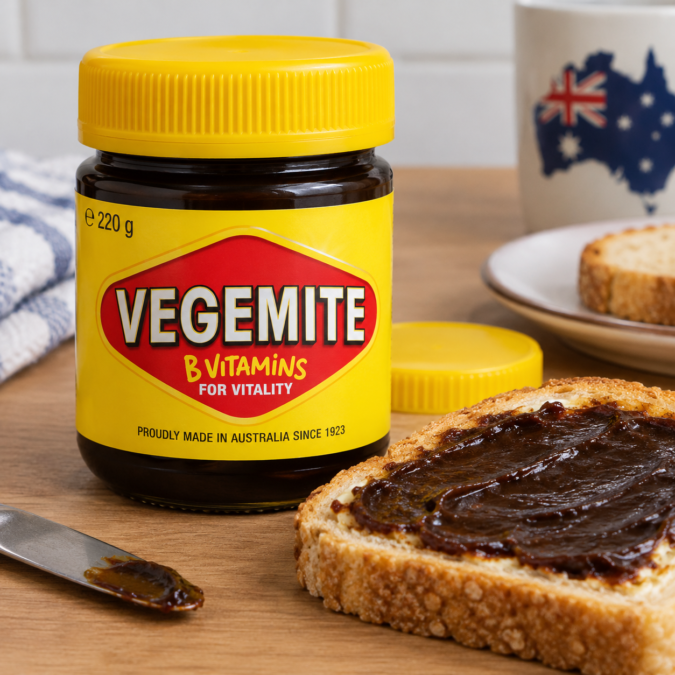

How to Eat Vegemite for the First Time you are trying for the first time, the most important thing to remember is that a little goes a long way. One of the most common mistakes beginners make is spreading it thickly over bread, expecting it to taste like a sweet spread. Because is concentrated and salty, a large amount can be overwhelming.
The traditional approach is to toast a slice of bread, spread a little butter over it, and add a very thin layer of Vegemite. The butter helps soften the intensity of the flavor, while the warm toast provides a crisp texture that contrasts nicely with the smooth spread.
Another good approach is to add to a cheese sandwich. Cheese brings a creamy texture and a savory taste that can complement the yeast extract. You can also experiment with crackers, toasted English muffins, or small pieces of bread until you discover a combination you enjoy.
Do not feel that you must like Vegemite immediately. Strong flavors often take some getting used to, and personal preferences differ. Begin with a small amount, adjust the quantity gradually, and try different food pairings rather than judging the spread based on one unusually strong bite.
How to Make Traditional Vegemite Toast
Vegemite toast is one of the simplest and most recognizable ways to enjoy this Australian spread. It requires only bread, butter, and Vegemite, making it a convenient option for breakfast or a quick snack.
Start by toasting your preferred bread until it reaches the crispness you like. Whole-grain bread, white bread, sourdough, and multigrain varieties can all work well. Once the toast is ready, spread a thin layer of butter across its surface while the bread is still warm.
Next, add a small amount of Vegemite and distribute it evenly. If you are new to the spread, begin with less than you think you need. You can always add a little more if the taste is too mild, but removing excess from the toast is much harder.
Serve the toast while it is warm. The combination of crisp bread, melting butter, and concentrated savory flavor creates the familiar experience enjoyed by many Australians.
For a more substantial breakfast, pair toast with eggs, sliced tomatoes, avocado, or fresh fruit. These additions provide variety and can make the meal more balanced without requiring a complicated recipe.
Best Foods to Eat With Vegemite
Vegemite pairs well with several foods, especially those that balance its intense saltiness. Butter is the classic choice because its mild, creamy texture softens the spread’s strong flavor. This simple combination remains a favorite among people who grew up eating Vegemite.
Cheese is another excellent pairing. Mild cheddar, cream cheese, and other cheeses can complement the spread’s savory character. A and cheese sandwich is an easy option for lunch, while Vegemite on a cheese-topped cracker makes a convenient snack.
Eggs also work well with . A small amount spread over toast served alongside scrambled or fried eggs adds a rich savory note to breakfast. Avocado can provide a creamy contrast, while tomatoes add freshness and a slightly acidic flavor.
can also be combined with roasted vegetables, mushrooms, beans, and other savory ingredients. When used carefully, it adds depth without necessarily making the entire dish taste strongly of .
The best pairing depends on your preferences. If you find the spread too salty, choose ingredients with a mild flavor and creamy texture. If you already enjoy it, you may prefer experimenting with stronger cheeses, whole-grain bread, or savory cooked dishes.
How to Use Vegemite in Cooking
Vegemite is not limited to toast and sandwiches. Its concentrated savory taste makes it useful as a seasoning in a range of cooked dishes. In small quantities, it can add complexity to recipes that benefit from a deeper, more rounded flavor.
One common use is adding a small amount to soup. Vegetable soup, lentil soup, mushroom soup, and bean-based dishes can benefit from the extra savory depth. Rather than adding a large spoonful at once, dissolve a little Vegemite into the warm liquid, taste the result, and adjust as necessary.
Vegemite can also be incorporated into gravies and sauces. It may complement onion-based gravies, mushroom sauces, and savory fillings. Because the spread already contains salt, it is wise to taste the dish before adding additional seasoning.
Another option is to include in a marinade or savory glaze. A small amount can contribute depth to sauces used with vegetables or suitable protein ingredients. The goal is to enhance the existing flavors rather than make Vegemite the dominant taste.
Experimentation is useful, but moderation matters. Too much can make a dish overly salty and overpower delicate ingredients. Starting with a small quantity gives you greater control over the final result.
Vegemite in Sandwiches and Snacks
sandwiches are a familiar part of Australian food culture. They can be as simple as bread with butter and a thin layer of Vegemite, or they can include cheese, lettuce, tomato, and other fillings.
For a quick lunch, spread a small amount over whole-grain bread and add cheese or sliced vegetables. The bread provides a base for the intense flavor, while the other ingredients create a more varied texture. You can also use Vegemite in toasted sandwiches, where the heat softens the cheese and combines the flavors.
Crackers offer another convenient way to enjoy the spread. A small amount on a plain cracker makes a savory snack, particularly when paired with cheese or sliced vegetables. Because crackers can also contain significant amounts of sodium, it is worth considering the overall salt content of the snack.
Vegemite can be added to savory pastries and sandwich fillings as well. In these situations, it is best treated as a seasoning rather than the main ingredient.
These ideas demonstrate why Vegemite has remained popular for so long. It is inexpensive to use in small quantities, requires little preparation, and can be incorporated into familiar meals without complicated cooking techniques.
Vegemite vs. Marmite: What Is the Difference?
Vegemite and Marmite are both concentrated yeast extract spreads, but they are separate products with their own histories, formulations, and flavor profiles. Vegemite originated in Australia, while Marmite became famous in Britain. Both have developed loyal followings in their respective countries.
The flavor of Vegemite is often described as intensely savory, salty, and robust. Marmite is also concentrated and savory, but its taste and texture are not identical. People who enjoy one product may like the other, although neither is guaranteed to suit every palate.
Their appearances and typical uses are similar. Both can be spread thinly over buttered toast, mixed into savory cooking, or used to enhance the flavor of certain sauces. The best way to compare them is to taste each one in a small quantity and use similar foods as a base.
Their cultural associations also differ. is strongly linked with Australian identity, while Marmite is closely associated with British food traditions. Each product represents a familiar taste that many people associate with home.
Neither spread is universally better than the other. The choice comes down to personal preference, availability, dietary requirements, and the type of flavor you want in your meal.
Vegemite vs. Nutritional Yeast
Although and nutritional yeast are related through their use of yeast-derived ingredients, they are quite different in appearance, texture, and culinary purpose.
Nutritional yeast is usually sold as dry flakes or powder. It is often used in plant-based cooking to provide a savory, sometimes cheese-like flavor. Depending on the product, nutritional yeast may be fortified with B vitamins and other nutrients.
, by contrast, is a dense, concentrated paste with a notably salty flavor. It is generally used in small amounts because its taste is much more intense than that of many dry yeast seasonings.
The two products are not direct substitutes in every recipe. Nutritional yeast may work well when sprinkled over popcorn, pasta, or roasted vegetables, while is often better suited to toast, savory sauces, and dishes that can benefit from a concentrated salty flavor.
Their nutritional profiles also differ, so it is important to compare the labels if you are choosing between them for a particular dietary reason. Both can be useful ingredients, but they serve different purposes in the kitchen.
Can Children Eat Vegemite?

Vegemithttps://en.wikipedia.org/wiki/Vegemitee is commonly eaten by Australian families, including children, but the amount served should be appropriate for the child’s age and dietary needs. Its strong flavor means that a very thin spread is usually sufficient, particularly for someone who is still developing their food preferences.
Parents often introduce Vegemite on toast or bread with butter because the combination is simple and familiar. The mild flavor of butter can make the spread easier to enjoy, while bread provides a convenient base.
Sodium is an important consideration. Children generally need less sodium than adults, and their recommended intake depends on their age. Since Vegemite is salty, it is sensible to use a small amount and consider the sodium content of the child’s overall diet.
Parents should also check allergen information and ensure that the bread and other accompanying ingredients are suitable for the child. The standard product contains wheat- and barley-derived ingredients, which is relevant for children who must avoid gluten.
As with any food, should be part of a varied eating pattern rather than a replacement for more nutritious meals. Children benefit from being offered a range of foods, textures, and flavors as they grow.
Where Can You Buy Vegemite?
Vegemite is widely available in Australia, where it is commonly stocked in supermarkets alongside spreads, jams, and other breakfast products. It is sold in jars and other packaging formats, depending on the retailer and product range.
Outside Australia, availability varies. Larger supermarkets, international food shops, Australian specialty stores, and some online grocery retailers may stock it. In places where Australian food products are less common, it may be easier to find through a specialist importer.
When shopping online, check the product description, jar size, shipping costs, and expiry information. If you are buying from an unfamiliar seller, confirm that the packaging appears genuine and that the product is intended for sale in your market.
Different versions may be available, including gluten-free products and other varieties. Read the ingredient list carefully if you have dietary restrictions or are looking for a particular formulation.
For shoppers in Pakistan or other countries where is less common, imported-food retailers may be worth checking. Availability and prices can change, so it is best to compare current local listings rather than assume that every supermarket carries it.
How Should Vegemite Be Stored?
Proper storage helps maintain the quality of . The standard product is generally stored in a cool, dry place, away from direct sunlight and excessive heat. Always follow the storage instructions printed on the particular container.
Use a clean utensil when removing the spread from the jar. Introducing crumbs, moisture, or other food particles can affect the quality of the remaining product. Closing the lid securely after use also helps protect the contents.
is a concentrated product, but that does not mean storage instructions can be ignored. The manufacturer’s directions and the printed best-before information should guide how it is handled and used.
If you notice an unusual change in appearance, smell, or texture, check the product carefully and follow food-safety guidance rather than assuming it is safe. Do not consume a product if its packaging has been damaged or there are other reasons to suspect that it has deteriorated.
Different Vegemite products may have different storage requirements, particularly products containing additional ingredients. Always check the label instead of applying the storage instructions for the original spread to every product in the range.
Common Myths About Vegemite
One common misconception is that Vegemite is made primarily from vegetables because its name contains the word “vege.” In reality, its principal ingredient is concentrated yeast extract. The name does not mean that the spread is simply a mixture of pureed vegetables.
Another misconception is that must be eaten in large amounts to appreciate its flavor. The opposite is usually true. Its concentrated taste means that a thin layer is generally enough, especially for first-time consumers.
Some people assume that is a complete health food because it contains B vitamins. Although it provides certain nutrients and is low in fat and sugar, it is also high in sodium relative to its serving size. It cannot replace a varied diet or serve as a treatment for nutritional deficiencies.
There is also a widespread assumption that everyone in Australia loves . It is certainly an iconic and popular product, but personal tastes differ in Australia just as they do elsewhere. Some people enjoy it every day, while others prefer different spreads.
Finally, is sometimes confused with Marmite or nutritional yeast. These products have similarities, but they are not identical. Understanding their differences helps consumers choose the right product for their taste and dietary requirements.
Frequently Asked Questions About Vegemite
Is Vegemite sweet or salty?
Vegemite is primarily salty and savory, with a strong umami flavor. It is not a sweet spread like jam, honey, or chocolate spread. Its concentrated taste is why beginners are generally advised to use a very thin layer.
Can you eat Vegemite without butter?
Yes, can be eaten without butter, although many people prefer the combination because butter softens the spread’s intense flavor. You can also try it with cream cheese or another suitable ingredient that provides a milder, creamier contrast.
Is Vegemite the same as Marmite?
No. and Marmite are separate yeast extract spreads with different histories and flavor profiles. is Australian, while Marmite is associated with Britain. Both are savory spreads, but they should not be considered identical.
Does Vegemite contain sugar?
The standard product contains a small amount of sugar, but very little per typical serving. Its flavor is mainly savory rather than sweet. Check the current nutritional label for the exact amount in the version you buy.
Is Vegemite high in sodium?
Yes, Vegemite contains a relatively high amount of sodium for its small serving size. A typical five-gram serving of the standard product contains approximately 165 milligrams of sodium, although values may vary by formulation. People who need to restrict sodium should pay attention to portion sizes.
Is Vegemite gluten-free?
Standard Vegemite contains ingredients derived from wheat and barley, so it is not suitable for a strict gluten-free diet. A separate gluten-free version is available. Always confirm the packaging before purchasing or consuming the product.
Can Vegemite be used in cooking?
Yes. Small amounts can add savory depth to soups, stews, gravies, sauces, and some marinades. Because it is salty and concentrated, add it gradually and taste the dish before including extra salt.
Why do Australians love Vegemite?
Its popularity comes from its distinctive flavor, long history, advertising, and role in everyday food traditions. Many Australians associate with childhood breakfasts, school lunches, family routines, and a familiar taste of home.
Final Thoughts on What Vegemite Is
is much more than a dark brown spread in a jar. It is a concentrated yeast extract product with a distinctive savory flavor, a long Australian history, and a nutritional profile that includes several B vitamins. Its low fat and sugar content can make it a useful addition to some meals, although its sodium content means that portion size deserves attention.
The easiest way to enjoy is to begin with a small amount on buttered toast. From there, you can experiment with cheese sandwiches, crackers, eggs, soups, sauces, and other savory dishes. Its strong taste means that it works best when used thoughtfully, allowing it to complement rather than overpower other ingredients.
Vegemite may not appeal to everyone on the first try, and that is perfectly normal. Its concentrated saltiness is different from the sweetness of many familiar spreads, so the experience can take some getting used to. Trying it with mild foods and adjusting the quantity to your taste can help you decide whether it belongs in your kitchen.
Ultimately, understanding what is means understanding both the food itself and the culture surrounding it. It is a simple but distinctive ingredient that has become an enduring part of Australian life. Whether you try it out of curiosity, use it to explore international cuisine, or add it to your regular breakfast routine, Vegemite offers a unique example of how an ordinary food product can develop an extraordinary identity.
Stay in touch to get more updates & news on New Magazine Here!