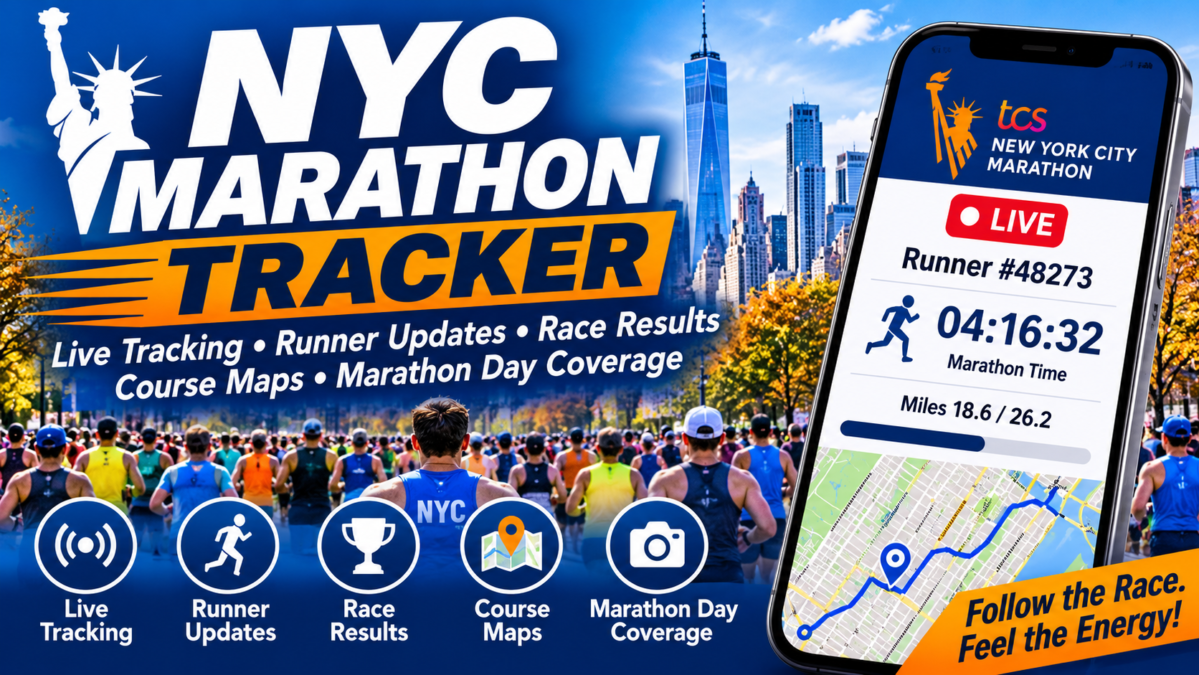

The NYC Marathon Tracker is an essential resource for anyone who wants to follow the excitement of the New York City Marathon. Whether you are a runner participating in the race, a family member waiting for a loved one, a friend cheering from another location, or a sports fan interested in marathon racing, a reliable tracking tool makes the entire experience more enjoyable. It helps people follow runners along the course, understand race progress, check timing updates, and stay connected throughout marathon day.
The NYC Marathon Tracker is an essential resource for anyone who wants to follow the excitement of the New York City Marathon. Whether you are a runner participating in the race, a family member waiting for a loved one, a friend cheering from another location, or a sports fan interested in marathon racing, a reliable tracking tool makes the entire experience more enjoyable. It helps people follow runners along the course, understand race progress, check timing updates, and stay connected throughout marathon day.
The New York City Marathon is one of the most recognizable long-distance running events in the world. Every year, thousands of athletes travel to New York to challenge themselves across the city’s famous five-borough course. Millions of spectators follow the event through television coverage, online updates, social media, and mobile applications. In such a large event, knowing where a particular runner is can make a significant difference. This is where the NYC Marathon Tracker becomes especially useful.
The purpose of an NYC Marathon Tracker is to make race information easier to access. Instead of waiting for occasional updates or relying entirely on messages from participants, supporters can use digital tracking services to follow available runner information. Depending on the official platform and the information released for a particular race, users may be able to view checkpoint times, estimated progress, split information, and finishing results.
This guide explains how marathon tracking works, what information supporters can expect to find, how to follow a participant, and how to make the most of digital race tools. It also explores course information, timing technology, spectator planning, runner privacy, and common tracking problems.
What Is the NYC Marathon Tracker?
The NYC Marathon Tracker is a digital tracking resource designed to help people follow participants during the New York City Marathon. It provides access to race-related information that can help supporters understand how a runner is progressing through the course. Rather than depending on traditional race announcements, people can use online tracking services and mobile applications to stay informed.
The tracker is particularly helpful because the marathon covers a large geographical area. Participants run through different neighborhoods across New York City, and spectators cannot easily watch every section of the course. Digital tracking helps bridge this distance by providing information about a participant’s progress at available timing points. This makes it easier for family members, friends, and other supporters to follow the race from almost anywhere.
The experience is not limited to watching professional athletes. Recreational runners, charity participants, first-time marathoners, and experienced competitors can all attract attention from people who want to follow their progress. An NYC Marathon Tracker can make the race feel more personal because supporters can follow an individual participant rather than simply watching the overall event.
Another important feature is convenience. People may be working, traveling, staying at home, or standing in a crowded spectator area. Online tracking allows them to check available race information without needing to remain in one location. As long as they have a suitable internet connection and access to the relevant tracking service, they can follow updates throughout the event.
Why the NYC Marathon Tracker Is So Popular
The popularity of the NYC Marathon Tracker comes from the excitement surrounding the race and the growing demand for real-time sports information. The New York City Marathon is more than a competition between professional runners. It is also a personal achievement for thousands of participants who spend months preparing for the challenge.
For many runners, completing the marathon represents years of dedication, discipline, and personal growth. Their families and friends often share that journey. They follow training progress, celebrate preparation milestones, and look forward to race day. A tracking service allows those supporters to remain involved even when they cannot physically attend the event.
The tracker also helps spectators plan their day. New York City is a busy place, and marathon traffic restrictions, crowded sidewalks, and public transportation changes can make movement difficult. By checking a runner’s progress, supporters can make more informed decisions about where to wait and when to move to another viewing location.
Sports enthusiasts also appreciate the availability of timing information. They may want to follow elite athletes, compare race progress, understand competitive performances, or see how runners manage different parts of the course. The tracker makes this information easier to follow and gives the event an interactive digital experience.
How to Use the NYC Marathon Tracker to Follow a Runner
Using the NYC Marathon Tracker is generally straightforward, even for someone who has never followed a marathon online before. The easiest approach is to use the official New York Road Runners application. This application is designed to provide race-related information and help supporters follow participants during the event.
The first step is to download the official New York Road Runners app on a smartphone. It is available for iPhone and Android devices. Once installed, open the application and look for the TCS New York City Marathon section. The race-day features provide access to runner tracking, event information, leaderboards, coverage, and other useful resources. You can find the official application through the NYRR mobile app page.
After opening the tracking section, search for the participant you want to follow. The available search options may include the runner’s name or bib number. Having the correct spelling and race identification information can make the search process easier, especially when several participants have similar names.
Once you find the correct participant, add them to your tracking list if the application offers that option. You can then return to the runner’s profile to check available updates. Depending on the timing information and application features, you may see split times, race progress, pace information, and finishing details.
Supporters should remember that tracking information is not necessarily a continuous GPS location. Timing updates generally reflect a participant’s progress through official course timing points. Therefore, a runner’s displayed position may not represent their exact physical location at every moment.
Official NYC Marathon Tracker App and Its Features
The official New York Road Runners application is one of the most useful resources for following the marathon. It brings several race-related services together in one place, making it easier for spectators to find information without visiting multiple websites.
One of its most important features is participant tracking. Supporters can search for runners and follow their progress throughout the event. This is particularly useful for people whose friends or relatives are participating in the marathon and who want to stay updated during the day.
The application also provides access to race coverage and leaderboards. These features are useful for people who want to follow professional competitors and understand the overall competition. Rather than focusing only on individual participants, users can explore the broader race and see how the leading athletes are performing.
Another valuable feature is access to marathon-specific maps and spectator information. These resources help supporters understand the course and identify places where they may be able to watch participants. The application also offers event-related information that can make race-day planning easier.
The official application is particularly useful because it comes from the organization responsible for the event. This makes it a sensible starting point when looking for accurate race information rather than depending on unofficial websites or social media posts.
How to Track Someone Using Their Name or Bib Number
Finding the correct participant is one of the most important parts of using a marathon tracking service. The event attracts thousands of runners, and searching without enough information can sometimes make the process confusing.
The easiest method is usually to search using the participant’s full name. Enter the name carefully and review the available results before selecting a profile. If multiple participants have similar names, compare the information displayed by the application to make sure you have selected the correct person.
A bib number can make the process even easier. Every registered participant receives a race bib containing an identification number. Supporters can ask the runner to share this information before race day so they can locate the correct profile quickly.
It is a good idea to save the participant’s details before the event begins. Searching for someone while standing in a crowded area or dealing with a slow internet connection can be inconvenient. Preparing in advance makes it easier to access the correct information when the race starts.
The NYC Marathon Tracker is most useful when supporters already know which participant they want to follow. Keeping the runner’s name, bib number, and expected start wave available can reduce confusion and help everyone stay organized.
Understanding Live Tracking and Race Timing
Live tracking is one of the most interesting aspects of modern marathon coverage. It gives spectators a way to understand how participants are progressing without needing to watch the entire race in person.
However, it is important to understand the difference between timing-point tracking and continuous GPS tracking. Official marathon timing systems generally record a participant’s progress when they cross designated timing mats or checkpoints. The information is then processed and made available through the tracking platform.
This means that the displayed progress may update at specific intervals rather than continuously. If a participant has recently passed a checkpoint, the application may show that information while the runner continues toward the next timing location.
Timing updates can also take a short time to appear. Network congestion, processing delays, and technical issues can affect when information becomes visible. A temporary lack of updates does not automatically mean that the participant has stopped running or left the course.
Supporters should avoid making assumptions based on a single timing update. Looking at several checkpoints provides a more useful understanding of the runner’s overall progress and performance.
What Information Does the NYC Marathon Tracker Show?
The information available through the NYC Marathon Tracker can help spectators understand different aspects of a participant’s performance. The exact details depend on the official tracking system and the information released during the event.
One important category is split timing. A split represents the time recorded at a particular distance or checkpoint. By comparing split information, supporters can understand whether a runner is maintaining a steady pace or changing speed during the race.
Another useful category is estimated progress. Some tracking platforms use the most recent timing information to help users understand where a participant may be along the course. Such estimates should be treated as guidance rather than an exact live position.
The application may also display finishing information when the runner completes the marathon. This can include recorded finishing times and other result details. Official results are especially important because they provide the verified performance record after the event.
For competitive spectators, leaderboard information is another interesting feature. It allows users to follow leading athletes and see how the race develops. The official app combines runner tracking with broader race information, making it useful for casual followers and serious marathon fans alike. prod.nyrr.org+1
Understanding Marathon Split Times
Split times are an important part of marathon tracking because they show how much time a runner needs to reach particular distances. Instead of focusing only on the final result, supporters can examine how the participant performs throughout the course.
For example, a runner might complete the early part of the marathon at a consistent pace and then slow down during the later stages. This is not unusual because marathon running requires considerable endurance. Fatigue, weather, hydration, elevation changes, and race strategy can all influence performance.
Comparing different splits can also reveal whether a runner is maintaining their planned pace. Someone aiming for a particular finishing time may try to keep their speed relatively consistent. Other runners may deliberately begin more slowly and increase their effort as the race progresses.
Spectators should remember that split times do not tell the entire story. Two runners with similar checkpoint times may have very different experiences. One may be running comfortably, while another may be managing fatigue or physical discomfort. Timing information provides useful context, but it cannot explain every detail of a participant’s race.
NYC Marathon Tracker and the Five-Borough Course
The New York City Marathon is famous for its route through all five boroughs. This makes the event different from many other major marathons and creates an exciting experience for participants and spectators.
The course begins in Staten Island, where runners gather before crossing the Verrazzano-Narrows Bridge. The opening section provides a memorable view of the city and introduces participants to the challenge ahead. After leaving the bridge, runners enter Brooklyn and continue through several neighborhoods.
The route then moves into Queens before crossing the Queensboro Bridge into Manhattan. Participants continue north along the city’s streets, eventually reaching the Bronx before returning to Manhattan and heading toward Central Park.
The NYC Marathon Tracker helps spectators follow this journey through available timing updates. Because the race covers such a large area, supporters can use tracking information to understand which part of the course their runner has reached.
The course is approximately 26.2 miles long. Its combination of bridges, neighborhood streets, crowds, and changing terrain makes it a demanding experience. The official event information includes course maps and race-day resources that help participants and spectators understand the route. prod.nyrr.org+1
Following Runners Through Staten Island
Staten Island is the starting point of the New York City Marathon. Participants gather in the start villages before making their way toward the starting line. The atmosphere is filled with anticipation as runners prepare for one of the biggest challenges of their athletic lives.
For supporters, the starting area is an important part of the event, but access is restricted. The official starting villages are reserved for registered participants and authorized guides. Spectators should not expect to enter these areas simply because they are following a runner.
The Verrazzano-Narrows Bridge provides one of the most recognizable opening scenes of the marathon. Runners cross the bridge and begin their journey toward Brooklyn. Tracking information helps supporters understand when participants have moved beyond the starting section.
Because participants begin in different waves, their individual start times can vary. A runner’s progress should therefore be interpreted in relation to their own starting time rather than simply comparing everyone against the official first start.
Tracking Runners in Brooklyn
Brooklyn is one of the major sections of the New York City Marathon. Participants spend a considerable portion of the race moving through its neighborhoods, where spectators often create an energetic atmosphere.
The borough is known for its enthusiastic crowds, local businesses, music, and community support. Many runners find the encouragement motivating, particularly when the early excitement begins to give way to the physical demands of long-distance running.
Supporters using the NYC Marathon Tracker can check available timing information to understand when their runner is approaching or moving through Brooklyn. This can help them choose a suitable viewing location and avoid unnecessary travel.
Brooklyn is also an important stage for marathon strategy. Runners need to balance their early enthusiasm with the need to conserve energy for the remaining distance. Starting too quickly can make the later sections more difficult, especially for first-time marathon participants.
Following the Race Through Queens
After Brooklyn, the marathon route continues into Queens. This section provides another opportunity for spectators to support participants and experience the event from a different part of the city.
The Queens section connects several important parts of the course. Runners eventually approach the Queensboro Bridge, which takes them into Manhattan. The bridge crossing is a memorable moment, although it can also be physically demanding because of its incline and the change in terrain.
Tracking updates can help supporters understand when a participant is approaching this part of the route. However, spectators should allow extra time for movement between neighborhoods because marathon road closures and public transportation conditions can affect travel.
For runners, Queens represents an important transition. A substantial portion of the marathon is already behind them, but the remaining distance still requires concentration, patience, and careful energy management.
Manhattan and the Famous Queensboro Bridge
Manhattan is one of the most recognizable parts of the New York City Marathon. When participants cross the Queensboro Bridge, they enter an area where spectators often gather to encourage runners.
The bridge itself presents a different atmosphere from the louder neighborhood streets. Runners experience a change in crowd noise and terrain as they cross into Manhattan. The transition can be mentally challenging because participants are moving deeper into the race.
The NYC Marathon Tracker can help supporters estimate when their runner is approaching Manhattan. By checking recent timing information, spectators can make a better decision about when to head toward their chosen viewing location.
After reaching Manhattan, participants continue along the course before entering the Bronx. This part of the race requires patience because the hardest physical challenges may still be ahead. Runners who have managed their pace carefully are often better prepared for the final stages.
The Bronx Section of the NYC Marathon
The Bronx is another important part of the marathon route. Although it represents a shorter section compared with some other boroughs, it plays a meaningful role in the overall race experience.
The atmosphere along the course is often energetic, with spectators encouraging runners as they approach the final part of their journey. Community involvement is one of the reasons the New York City Marathon has such a special reputation among participants.
Supporters can use tracking updates to understand when a runner is approaching or leaving this section. This information is useful for people planning to watch the participant at another location later in the race.
For runners, reaching the Bronx means that the finish line is getting closer. However, the remaining miles can still be challenging. Fatigue may affect concentration, muscle strength, and running pace, so maintaining a manageable effort remains important.
Central Park and the Marathon Finish Line
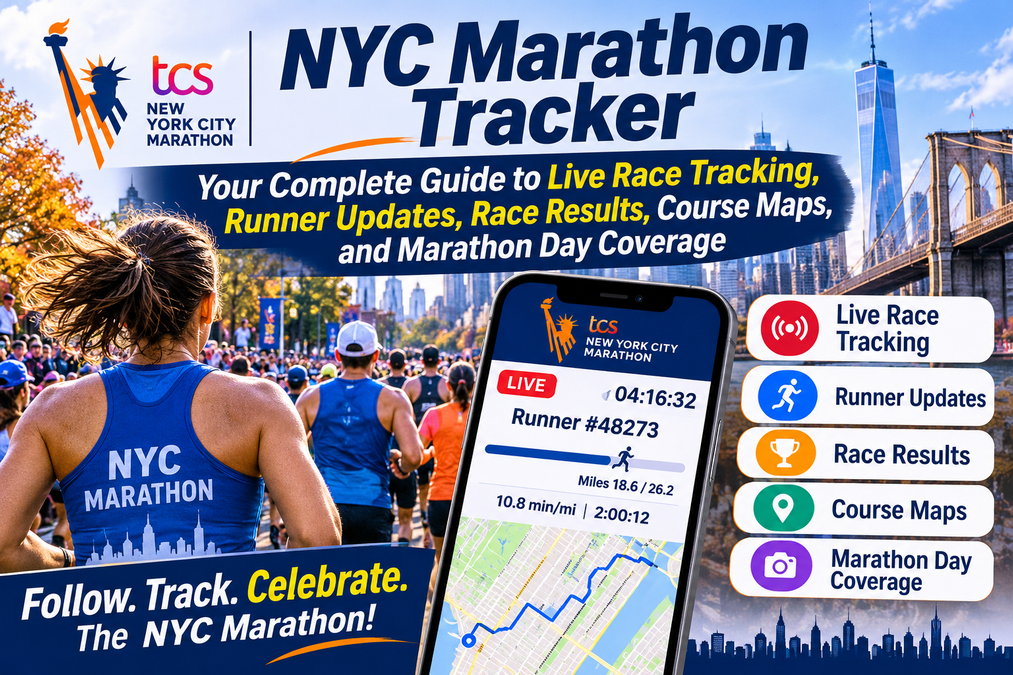
Central Park is the destination every participant has been working toward since the starting line. The final section of the New York City Marathon is particularly emotional because runners are approaching the completion of a demanding physical and mental challenge.
The finish line experience is unforgettable for many participants. Some runners celebrate with raised arms, while others become emotional as they realize they have completed the distance. For first-time marathoners, crossing the finish line can represent the achievement of a personal goal that required months of preparation.
The NYC Marathon Tracker is particularly valuable during this stage because friends and family are often waiting to find out when their runner finishes. Available timing updates can help supporters prepare for the participant’s arrival and arrange a meeting afterward.
It is important to understand that crossing the finish line and reaching the family meeting area are not always the same moment. Runners may need time to move through the post-finish process, collect their belongings, and exit the restricted area. Supporters should arrange a meeting point in advance rather than expecting immediate contact.
How to Check NYC Marathon Results Online
Checking race results is an important part of following the New York City Marathon. While live tracking helps spectators understand how participants are progressing, the results service provides the recorded performance information after the event.
The official New York Road Runners results website is the recommended place to check finishing results. Visitors can search for participants and review the information made available by the race organizers.
You can access the official results through NYRR Live Results. This resource is especially helpful for people who want to confirm a runner’s finishing time rather than relying on an estimated result shown during the race.
Results may include the participant’s overall finishing time, net time, and available division or age-group information. These details help runners understand their performance and compare their results with previous races.
It is worth understanding the difference between gun time and net time. Gun time measures the race from the official start signal, while net time measures the participant’s time from when they personally cross the starting line. Because the marathon uses multiple starting waves, these measurements can differ.
Difference Between Live Tracking and Official Race Results
Live tracking and official results serve different purposes. Although they are connected, they should not be treated as exactly the same service.
Live tracking is designed to provide updates while the marathon is happening. It helps supporters follow participants and understand their progress. The information may change as new timing data becomes available.
Official results are intended to provide a verified record of a participant’s performance. They are generally published after the race and are more appropriate for checking completed times, placements, and recorded finishing information.
The distinction matters because preliminary tracking information may be incomplete or subject to correction. A participant might appear to have reached a certain checkpoint, but the final result still needs to be processed and confirmed.
For the most reliable experience, use the official tracking service during the event and the official results website when checking completed performances.
How Families and Friends Can Follow Marathon Participants
Family members and friends are among the most frequent users of marathon tracking services. For them, the event is not simply about watching a sporting competition. It is about supporting someone who has dedicated time, effort, and commitment to reaching the starting line.
Before race day, supporters should ask the participant for their correct name, bib number, and expected starting wave. This information can make the search process easier and reduce the possibility of following the wrong person.
It is also useful to decide how everyone will communicate. Mobile networks can become congested around major sporting events, particularly near crowded areas and the finish line. Supporters should not assume that a runner will be able to answer messages immediately.
The NYC Marathon Tracker can help everyone stay connected to the race even when they are in different locations. Family members living outside New York can follow available updates online and celebrate the participant’s progress from home.
A simple plan can make the day much less stressful. Supporters can decide where to watch, when to check the tracking application, and where to meet the runner after the finish. Having these arrangements ready allows everyone to focus on enjoying the event.
How Spectators Can Use Tracking to Plan Their Viewing Locations
Watching a marathon in person requires some preparation. The event covers a large area, and moving between different neighborhoods can take longer than expected.
Spectators should first identify the sections of the course they want to visit. Instead of trying to watch every part of the race, it is often better to select a manageable number of viewing locations.
The NYC Marathon Tracker can help spectators estimate when their runner may reach a particular section. By comparing recent split information with the participant’s expected pace, supporters can make a more informed decision about when to travel.
However, estimated arrival times should not be treated as guaranteed schedules. Runners may slow down, speed up, experience fatigue, or encounter other challenges. Spectators should allow extra time and remain flexible.
Public transportation is generally more practical than driving during a major city marathon. Road closures and restricted access can make vehicle travel difficult. Checking official transportation updates before leaving is a sensible precaution.
Can You Track Multiple Runners at the Same Time?
Many spectators have more than one participant they want to follow. This can happen when family members, colleagues, or friends are participating in the same marathon.
Some tracking platforms provide options to follow or save multiple runners. If the official application offers this feature, supporters can add the relevant participants and switch between their profiles as the race progresses.
Following several runners requires a little organization. It helps to keep their names and bib numbers written down so that supporters can quickly identify each profile.
There may also be differences in start times. One runner might begin in an earlier wave while another starts later. Comparing their progress without considering these differences can create confusion.
The best approach is to review each participant individually and pay attention to their recorded start time. This makes the information more meaningful and helps supporters avoid incorrect assumptions about who is ahead.
Why Marathon Tracking Updates Sometimes Appear Delayed
Technology has made marathon tracking easier, but no digital system is completely free from delays. Sometimes supporters may notice that a runner’s information has not changed for several minutes.
One possible reason is the timing system itself. Official tracking often depends on checkpoints rather than constant GPS communication. If a participant has not reached the next timing point, the displayed information may remain unchanged.
Internet connectivity can also affect the experience. Thousands of spectators may access the same services during a major race, creating additional demand on websites, applications, and mobile networks.
Other possibilities include application updates, server processing, device compatibility, and temporary technical problems. These issues can affect how quickly information appears on a user’s screen.
If tracking stops updating, supporters should try refreshing the page or reopening the application. They can also check the official results service or race updates for additional information.
Most importantly, a delayed update should not immediately be interpreted as a problem with the runner. The participant may simply be between timing checkpoints.
Does the NYC Marathon Tracker Use GPS Technology?
People sometimes assume that marathon tracking works exactly like a personal GPS fitness watch. However, official event tracking and personal running devices serve different purposes.
Personal watches often use satellite positioning to estimate a runner’s location, distance, and speed. The runner can review this information during or after training, depending on the device and settings.
Official marathon tracking generally relies on race timing technology. Participants cross timing points along the route, and their recorded progress is processed by the event’s tracking system.
This distinction is important because timing information does not always show an exact physical location. It can provide a reliable indication of progress without continuously displaying the runner’s position on a map.
The NYC Marathon Tracker should therefore be understood as an official race-progress resource rather than a guaranteed second-by-second GPS locator.
Can You Track a Runner Without Downloading the App?
Not everyone wants to install another application on their smartphone. Some people prefer to use a browser, especially when they are following a participant from a desktop computer or laptop.
The official NYRR race website provides access to marathon information and directs users to relevant race resources. The live results platform can also be useful for checking participant information and completed results.
For the 2026 event, spectators can use the official race resources to access tracking information. The event organizers identify the NYRR application as the main resource for live, unofficial runner tracking. prod.nyrr.org+2
Browser-based access is particularly convenient for people who want to keep a tracking page open while doing other activities. It can also make it easier to view information on a larger screen.
However, some features may work differently between the website and mobile application. If a particular tracking feature is unavailable in a browser, checking the official app is a sensible alternative.
Watching the NYC Marathon Live Alongside Runner Tracking
Watching the marathon live adds another dimension to the tracking experience. Instead of simply checking timing updates, spectators can see the athletes running through New York City and experience the atmosphere of the event.
Television and online coverage usually focus on the professional competitors, major race moments, and selected sections of the course. This makes live coverage especially interesting for people who enjoy competitive athletics.
The NYC Marathon Tracker complements these broadcasts because it allows supporters to follow individual participants who may not appear on television. A friend or family member can check their runner’s progress while watching the professional race coverage.
For the 2026 race, spectators can also look for dedicated finish-line coverage. ABC7 has announced a Find Your Finish stream that allows viewers to watch runners complete the course and access available finish-line videos. ABC7 New York+1
Combining broadcast coverage with individual tracking creates a more complete experience. Viewers can enjoy the overall sporting event while remaining connected to the progress of the people they personally support.
The Importance of Marathon Pace and Performance Information
Pace is one of the most important measurements in long-distance running. It refers to the amount of time a runner takes to cover a particular distance, commonly expressed in minutes per mile or minutes per kilometer.
A participant’s pace can provide useful information about their race strategy. Some runners aim to maintain a consistent speed, while others begin conservatively and increase their effort later.
Marathon pacing is not always straightforward. The course includes bridges, changes in elevation, turns, crowded areas, and different road conditions. These factors can affect running speed even when an athlete is maintaining a similar level of effort.
Supporters using the NYC Marathon Tracker may find pace information helpful when understanding a participant’s progress. However, they should avoid judging a runner’s performance from one split alone.
A slower checkpoint time does not necessarily indicate a disappointing race. The participant may be conserving energy, dealing with a difficult section, or following a deliberate strategy. Marathon performance is best understood by looking at the entire race.
How Weather Can Affect Marathon Tracking and Running Performance
Weather is an important consideration for marathon participants. Temperature, humidity, wind, and precipitation can influence how runners feel and perform over a long distance.
Warm conditions can increase physical strain and make hydration more important. Strong winds may affect pace, especially on exposed bridges and open sections of the course. Rain can also change road conditions and create additional challenges.
Tracking information can help supporters notice changes in a runner’s pace, but it cannot explain whether weather is responsible for those changes. A participant may slow down for several different reasons.
Runners generally prepare for different weather conditions by selecting appropriate clothing, planning hydration, and following advice from their coaches or medical professionals. The official race organizers also provide event-specific safety guidance.
Spectators should prepare for the weather as well. Comfortable shoes, suitable clothing, drinking water, and a realistic travel plan can make a long day of watching the marathon much easier.
Privacy and Safety When Following Marathon Participants
Privacy is an important consideration when using digital tracking services. Participants should understand what information may be visible to spectators and how they want friends and family to follow their race.
Many runners are happy to share their race details with relatives, colleagues, and friends. Others may prefer to keep their participation more private. Supporters should respect these preferences and avoid sharing personal information without permission.
The NYC Marathon Tracker is intended to provide race-related information, but users should not assume that every participant’s personal details are available to everyone. Access and visibility depend on the official platform’s settings and policies.
It is also sensible to use official websites and applications rather than unfamiliar services requesting unnecessary personal information. Avoid entering passwords, payment details, or sensitive information into unofficial tracking pages.
For participants, privacy also includes post-race communication. A runner may be exhausted after finishing and may need time to recover before responding to messages. Supporters should give them space and avoid pressuring them for immediate updates.
Common NYC Marathon Tracker Problems and Their Solutions
Even a well-designed tracking service can experience occasional problems. Understanding common issues can help users find solutions without becoming unnecessarily frustrated.
One common issue is difficulty finding a runner. This can happen because of incorrect spelling, similar participant names, or an incorrect bib number. Checking the participant’s official race details is usually the best first step.
Another issue is missing timing updates. Supporters should refresh the application, check their internet connection, and allow some time for the next checkpoint information to appear. Repeatedly refreshing the page may not make the official timing data arrive any faster.
Application problems can sometimes be resolved by updating the software or restarting the device. If the issue continues, users can try accessing the official tracking information through another supported device or browser.
Users should also check that they are viewing the correct event year. Marathon websites may contain historical results, previous race coverage, and information about upcoming events. Selecting the wrong edition can lead to outdated information.
Tips for Getting the Best Experience From Marathon Tracking
Preparation is the easiest way to improve the tracking experience. Instead of waiting until the starting gun sounds, supporters should become familiar with the official tracking service before race day.
Save the participant’s full name and bib number. These details make searching easier and reduce the risk of selecting the wrong profile.
Check the official course map and understand the major sections of the route. This makes timing updates easier to interpret and helps spectators decide where they want to watch.
Keep a reliable internet connection available. If mobile service becomes unreliable, try another network or check the official website when possible.
Finally, remember that tracking is only one part of the marathon experience. The most important thing is supporting the participant, celebrating their effort, and recognizing the commitment required to complete the race.
How Runners Prepare for Race Day
Preparing for the New York City Marathon requires more than simply running long distances. Participants spend months developing endurance, improving fitness, planning nutrition, and learning how to manage the physical demands of a marathon.
Training usually includes a combination of long runs, shorter workouts, recovery sessions, and strength exercises. Long-distance training helps the body become accustomed to spending extended periods running, while shorter sessions can improve speed and running efficiency.
Nutrition is another important part of preparation. Runners need to develop a practical approach to eating and drinking before and during the race. Individual requirements vary, so participants often follow plans developed through experience, coaching, or professional guidance.
Mental preparation is equally valuable. Completing a marathon can be challenging, especially during the final miles. Runners benefit from having realistic goals, a flexible race strategy, and a positive mindset.
What Makes the New York City Marathon Special?
The New York City Marathon is widely recognized for its atmosphere, international participation, and unique course. Unlike races held in a single park or closed sporting venue, this marathon turns the streets of an entire city into a running celebration.
The participation of athletes from different countries and backgrounds makes the event particularly meaningful. Professional runners compete for recognition and victory, while recreational participants often run to achieve personal goals or support charitable causes.
Another special feature is the involvement of local communities. Residents, volunteers, musicians, and spectators help create an atmosphere that motivates participants throughout the course.
The race also has a remarkable history. It began in 1970 with a relatively small field running multiple loops around Central Park. In 1976, the course expanded across all five boroughs, establishing the format that helped make the event internationally famous. ABC7 New York+1
NYC Marathon Tracker for International Spectators
The New York City Marathon attracts attention from people around the world. Friends and family members living in different countries often want to follow participants even when traveling to New York is not possible.
Online tracking makes this easier by providing access to race information through internet-connected devices. International supporters can check updates from their homes, workplaces, or while traveling.
Time-zone differences are an important consideration. A race beginning in the morning in New York may take place during the afternoon or evening in another country. Supporters should check the local event schedule and convert the race times into their own time zone.
The NYC Marathon Tracker makes international support more accessible because people do not need to be physically present along the course. They can follow available progress updates and celebrate important milestones remotely.
For runners, knowing that friends and family members are following their progress can also provide encouragement. Even a simple message after a difficult section can make the experience more memorable.
The Role of Technology in Modern Marathon Events
Technology has transformed the way people experience major sporting events. In the past, spectators often depended on television announcements, printed race information, and occasional updates from participants.
Today, mobile applications and online platforms provide much faster access to sports information. Tracking systems, digital maps, online results, and live broadcasts have made large sporting events more accessible.
Marathon organizers can use timing technology to record participant progress and publish results. These systems help spectators follow races while providing athletes with information about their performances.
Digital communication also makes it easier for participants to share their experiences. Runners can post photographs, celebrate milestones, and communicate with supporters through social media and messaging applications.
The NYC Marathon Tracker represents this wider shift toward connected sporting experiences. It brings useful information closer to spectators and makes a large citywide event easier to follow.
NYC Marathon Tracker and Professional Athletes
Professional athletes are an important part of the New York City Marathon. Their performances attract international attention, and many spectators follow the competition to see which runners will finish at the front of the field.
Tracking professional athletes can provide insight into competitive race strategies. Spectators can observe how leading runners manage their pace, respond to competitors, and approach the final sections of the course.
Elite marathoners generally have carefully developed training programs and extensive experience with long-distance racing. Their performances are influenced by preparation, endurance, tactical decisions, and the ability to maintain a demanding pace.
Leaderboards are especially useful for people interested in the competitive side of the event. They help spectators follow the leading participants and understand how the race is developing.
However, professional competition is only one part of the marathon. Thousands of recreational runners also create memorable stories, and their achievements are just as meaningful to the people supporting them.
Charity Runners and Personal Marathon Stories
Many participants enter the New York City Marathon to support charitable organizations. For these runners, completing the course represents both a personal achievement and an opportunity to raise awareness or funding for an important cause.
Charity participants often spend months preparing for the event while organizing fundraising activities. Their motivation may come from personal experiences, community involvement, or a desire to support people facing difficult circumstances.
The tracking service allows supporters to follow these participants and celebrate their progress. Friends, relatives, and donors can watch for important milestones and encourage runners throughout the day.
These personal stories demonstrate why the marathon is about much more than winning. Every participant has a different reason for taking part, and every successful finish can represent an important accomplishment.
What Happens After a Runner Crosses the Finish Line?
Crossing the finish line is an exciting moment, but the marathon experience does not end immediately. Participants must move through the post-finish area, receive their medals, and follow the event’s instructions for exiting the course.
Runners may feel tired, emotional, or physically uncomfortable after completing the distance. They should take time to recover, drink fluids, and follow the instructions provided by race medical personnel.
Family members should remember that participants may not be able to leave the finish area immediately. There can be additional walking, waiting, and restricted pedestrian movement around Central Park.
The NYC Marathon Tracker helps supporters understand when a participant has completed the race. However, the finishing time does not necessarily indicate when they will be ready to meet friends or family.
A prearranged meeting location can make the post-race experience easier. Supporters should agree on a suitable place outside restricted areas and allow enough time for the runner to reach it.
The Importance of Official NYC Marathon Information
When following a major sporting event, reliable information matters. Different websites may publish race schedules, estimated times, news, and commentary, but not every source provides official information.
The New York Road Runners organization is responsible for the event and provides important race resources through its official website. These include participant information, course maps, safety guidance, tracking details, and results.
The official event page is particularly useful because it contains information specific to the current race edition. Spectators can use it to confirm event details rather than depending on old articles or outdated social media posts.
For the current event, the official resources are:
Using these resources provides a more dependable experience and helps supporters avoid confusion when looking for current race information.
The Future of Digital Marathon Tracking
Digital tracking technology will likely continue to develop as sporting events become increasingly connected. Spectators expect convenient access to race information, and organizers continue to explore ways to make events easier to follow.
Future tracking platforms may offer improved map displays, more detailed performance information, enhanced notifications, and additional ways to follow participants.
Personalized experiences may also become more important. Instead of searching for a participant repeatedly, users may be able to organize their favorite runners, receive relevant notifications, and access customized race information.
Another area of development is accessibility. Better mobile experiences, clearer information, and improved digital tools can help people with different needs follow sporting events more comfortably.
Although technology will continue changing, the basic purpose of marathon tracking will remain the same: helping people stay connected to participants and understand how the race is progressing.
Frequently Asked Questions About NYC Marathon Tracker
What Is the Official NYC Marathon Tracker?
The official tracking resource is provided through the New York Road Runners application. It allows spectators to follow participants, access race information, and explore other marathon-related features.
Is the NYC Marathon Tracker Free?
The official NYRR application is available as a free download. Some individual services or third-party coverage may have separate requirements, but the official app is promoted as a free resource for following the event.
How Can I Find Someone Running the NYC Marathon?
You can generally search for a participant using their name or bib number through the official tracking service. Make sure you select the correct participant before adding them to your tracking list.
Can I Follow a Runner From Another Country?
Yes. Supporters outside the United States can access available online race information through supported websites and applications. They should consider the New York local time when planning to follow the event.
Does the Tracker Show a Runner’s Exact Location?
Not necessarily. Official race tracking primarily provides progress information based on timing checkpoints. It should not be treated as a continuous GPS location service.
Where Can I Find Official Marathon Results?
The official results are published through the New York Road Runners results website at results.nyrr.org.
Can I Track More Than One Runner?
The official application provides runner-following features. Depending on the available app functionality, supporters may be able to save and follow multiple participants.
Why Is My Runner’s Information Not Updating?
Possible reasons include timing-point intervals, internet connectivity, server delays, or temporary application issues. Refreshing the page and checking again after some time may help.
Can I Watch the NYC Marathon Online?
Yes. Official race coverage and media broadcasts provide ways to watch the marathon. Availability depends on the broadcaster, location, and coverage schedule.
What Is the Best Way to Prepare for Tracking on Race Day?
Download the official application in advance, collect the runner’s bib number, review the course map, and make sure your device has a reliable internet connection.
Final Thoughts on NYC Marathon Tracker
The NYC Marathon Tracker has become an important resource for people who want to follow the New York City Marathon. It makes a large and complex sporting event easier to understand by bringing participant progress, timing information, race coverage, and event resources closer to spectators.
Whether someone is following a professional athlete, supporting a family member, or watching a friend complete their first marathon, digital tracking provides a convenient way to stay connected. It also helps spectators plan their viewing locations and understand how participants are progressing through the five boroughs.
The most reliable approach is to use the official New York Road Runners application for race-day tracking and the official results website for verified finishing information. Understanding the difference between timing checkpoints and continuous GPS tracking also helps users avoid confusion.
Ultimately, the New York City Marathon is about determination, community, and personal achievement. The NYC Marathon Tracker makes it easier to share those moments, even when supporters cannot stand beside the course. With the right information and a little preparation, anyone can enjoy following the race and celebrating the incredible effort required to complete one of the world’s most famous marathons.
Stay in touch to get more updates & news on New Magazine Here!